


Clipper Windbreaker – Outdoor Tested
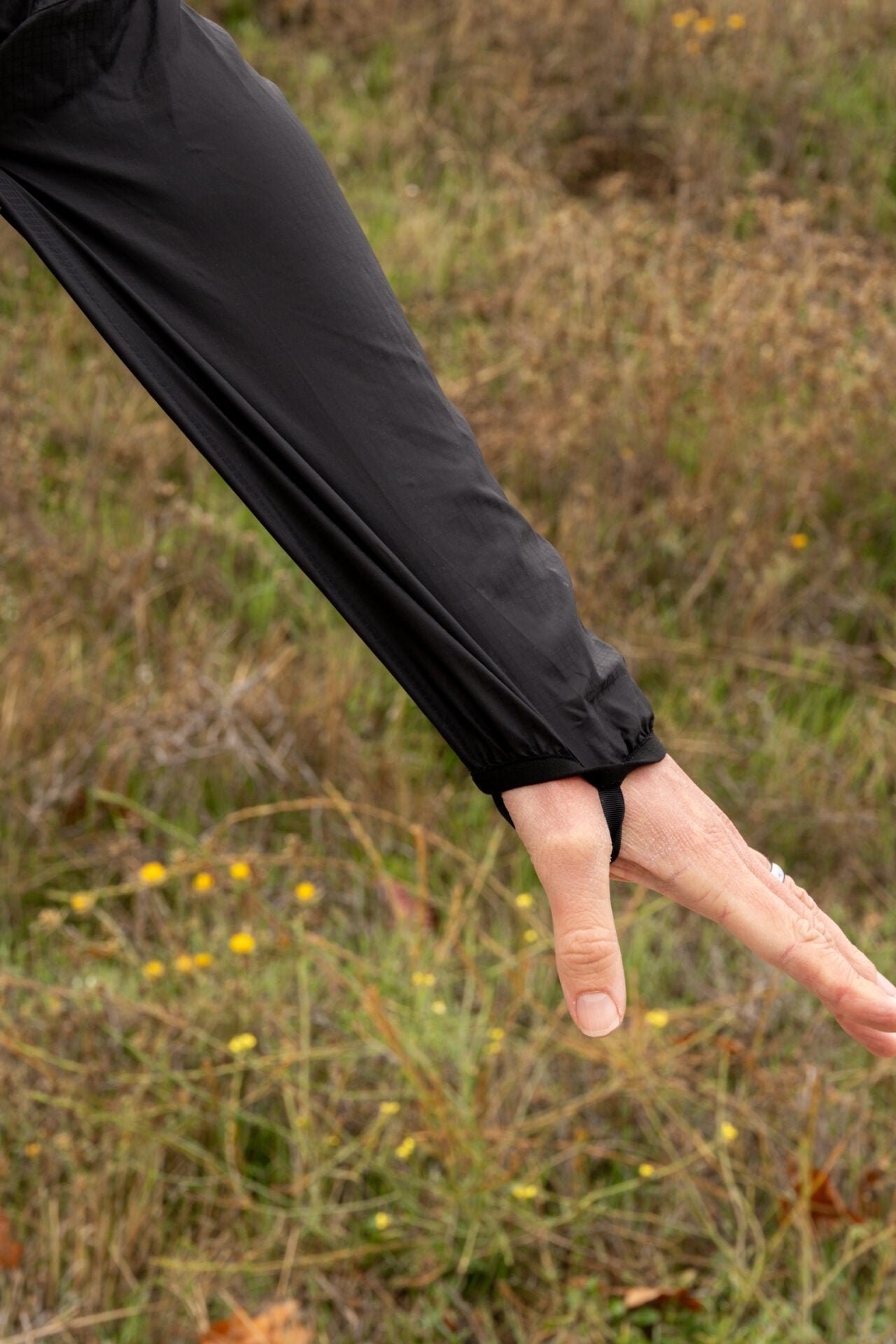
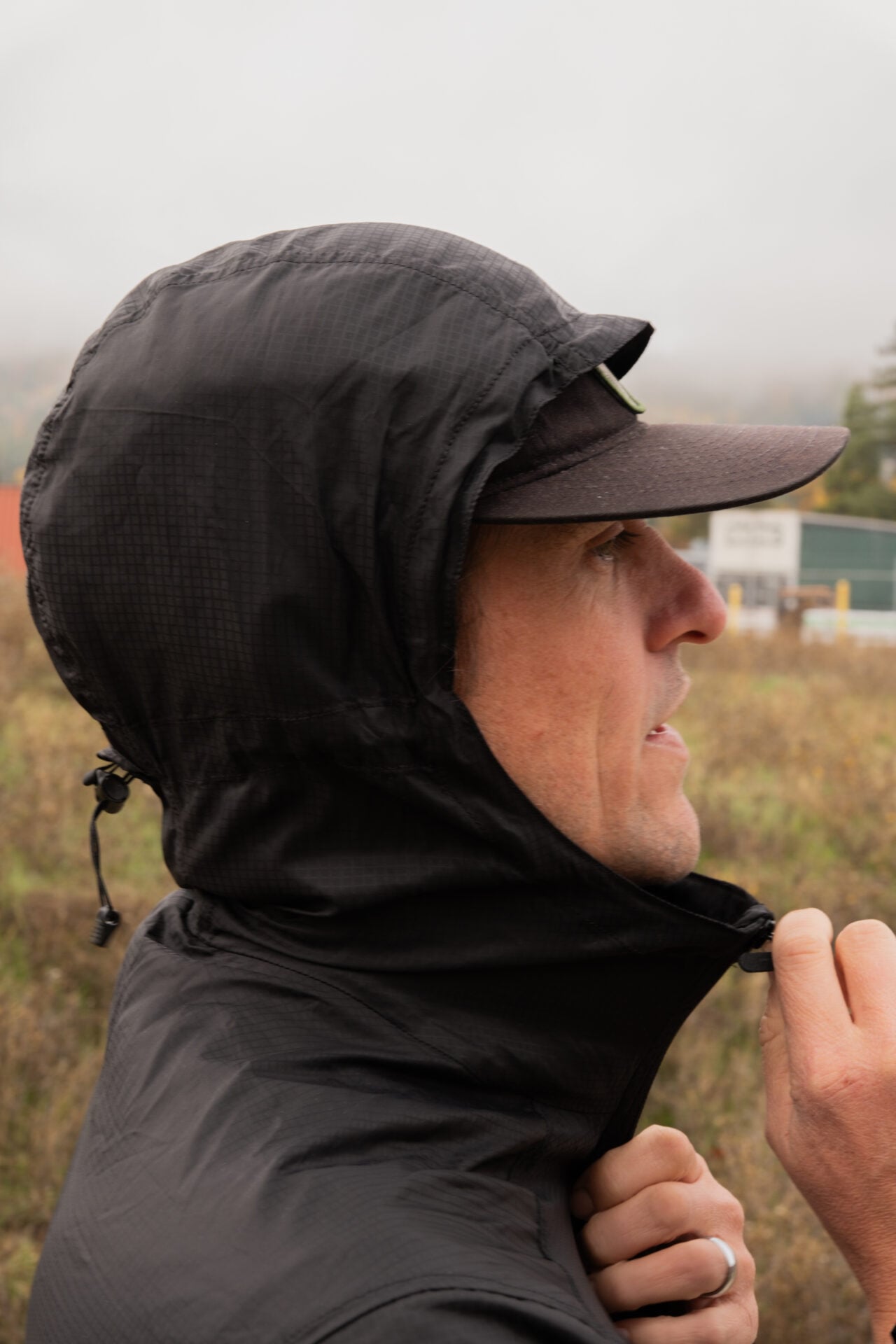
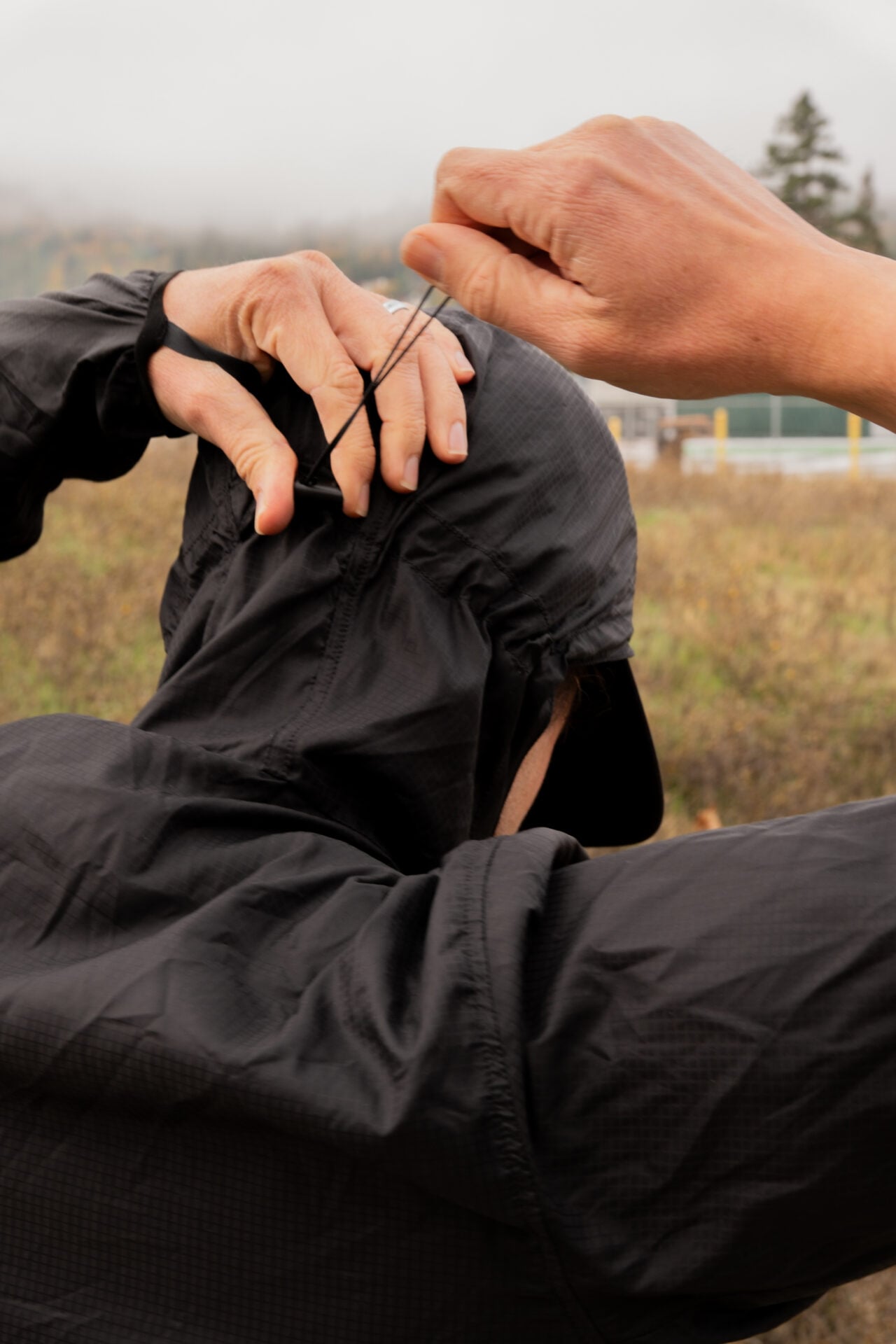
In case you aren’t familiar with the Clipper, it is a non-FR, packable wind shell built for uniformed use (including OCP). The Clipper’s main material is a quiet 40D ripstop nylon exterior that is extremely wind resistant and has a DWR treatment to help shed water. The Clipper’s mesh hand pockets double as vents and its other features are thumb loops, articulated elbows, and single-point hood/hem cinches, and an integrated stuff sack. It was introduced publicly June 23, 2021 by Soldier Systems which highlighted it as part of Massif’s expansion beyond its flame-resistant core into non-FR shells, calling out pre-flight use (stash in a helmet bag) and general “windshirt” duty.
With all respect to Soldier Systems, I think that calling the Clipper a windshirt doesn’t do the shell itself or the extremely important piece of kit that it represents justice. The ultralight windshell is a relatively new piece of gear in the outdoor/military pantheon and is arguably one of the most important for high output athletes who find themselves needing to expend a lot of energy in extreme weather and also have to pack it around. The Montane Featherlite Smock came out in 1999 and is often credited as the piece that ushered in this category which now has offerings from every major outdoor brand. While the Featherlite Smock was first, Patagonia’s 3.6-ounce Houdini made the UL windshirt a ubiquitous piece of kit for core outdoor athletes soon after Patagonia launched it in 2005. In the past 20-years pretty much every outdoor brand of note has thrown their hat in the ring. I have tested over a dozen of these types of jackets and the Clipper is a genuine stand-out.
I have been testing the Clipper since 2021. In the course of four years of use it has remained my most used lightweight windshell which is impressive because I have four different lightweight windshells in my gear closet to choose from. I have run over 250-miles cold miles in the Clipper, brought it backcountry skiing on over a dozen missions, and have worn it around town enough times to confidently say I have put over 100-days of use into this piece.
Part of the reason I got so many reps with this shell was that it struck a perfect balance of breathability and protection for winter running in terrible weather. There is always a push-pull between breathability and protection from the elements. Put simply: the better a shell is at keeping air and moisture out often translates to it holding air and moisture in. Holding moisture in causes a significant problem for athletes like myself who do high intensity workouts like sprintwork and skimo racing through the winter. Sweat trapped inside a shell can become incredibly uncomfortable or dangerous. On the other hand, if a shell is too lightweight it just can’t handle high winds or precipitation and can become dangerously wet or cold in a storm. I found that the Clipper’s 40-denier nylon struck an ideal balance with how it breathed when I started sweating but very efficiently protected from wind and also shed rain and snow.
I trained for a January marathon last winter which placed me in the unfortunate situation of needing to perform five long runs in the hammering rain. I used the Clipper for all of these because even though it wasn’t fully water proof, it offered enough protection to keep me dry and warm and was breathable enough that it didn’t sweat through when the rain wasn’t coming down. On the worst of these runs, the Clipper kept my chest and back dry in full on torrential downpour over the course of more than 30 minutes. After the rain subsided, I opened up the pockets which have a mesh interior and they just dumped heat and moisture. I had a comfortable run for the next two hours after the rain had stopped.
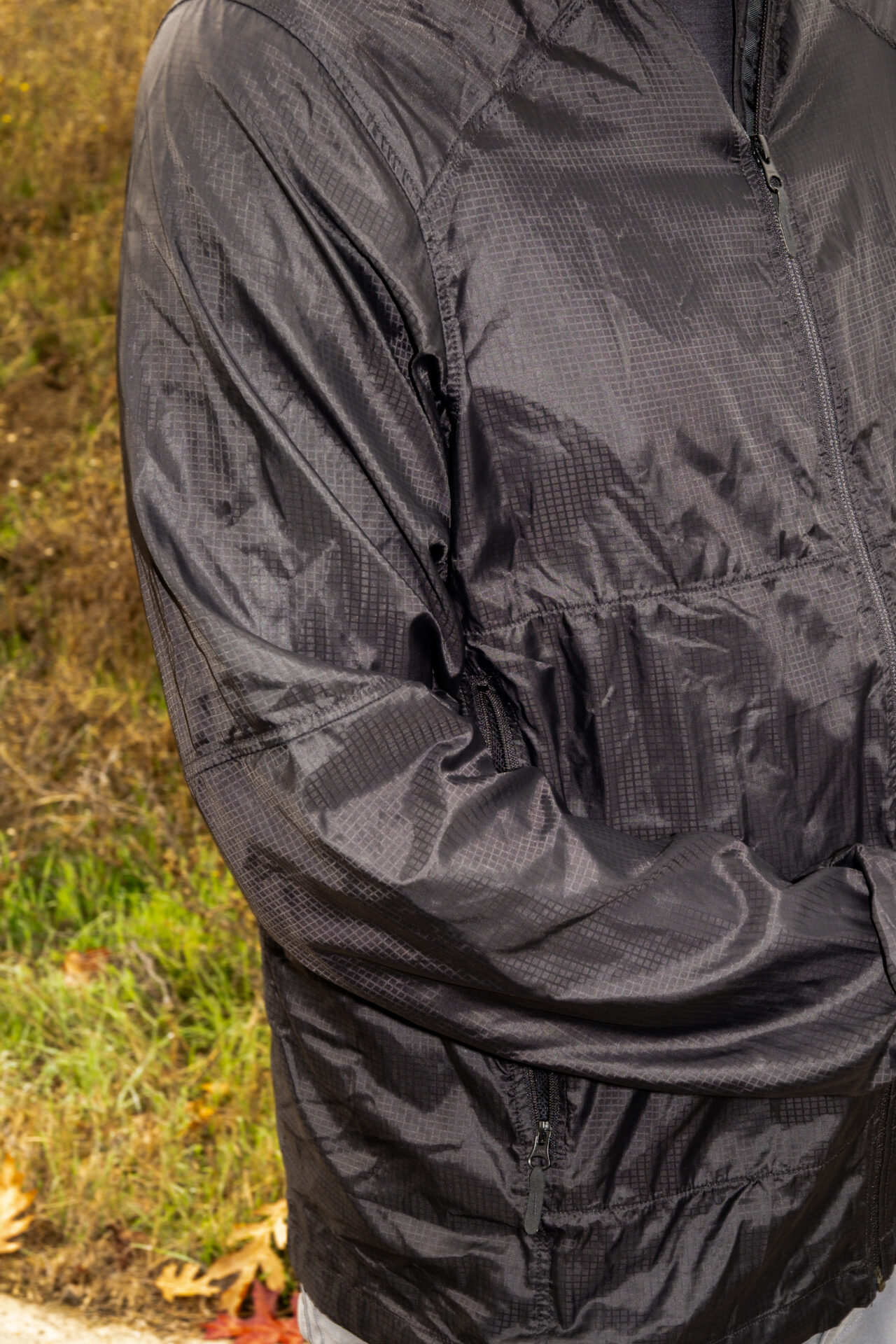
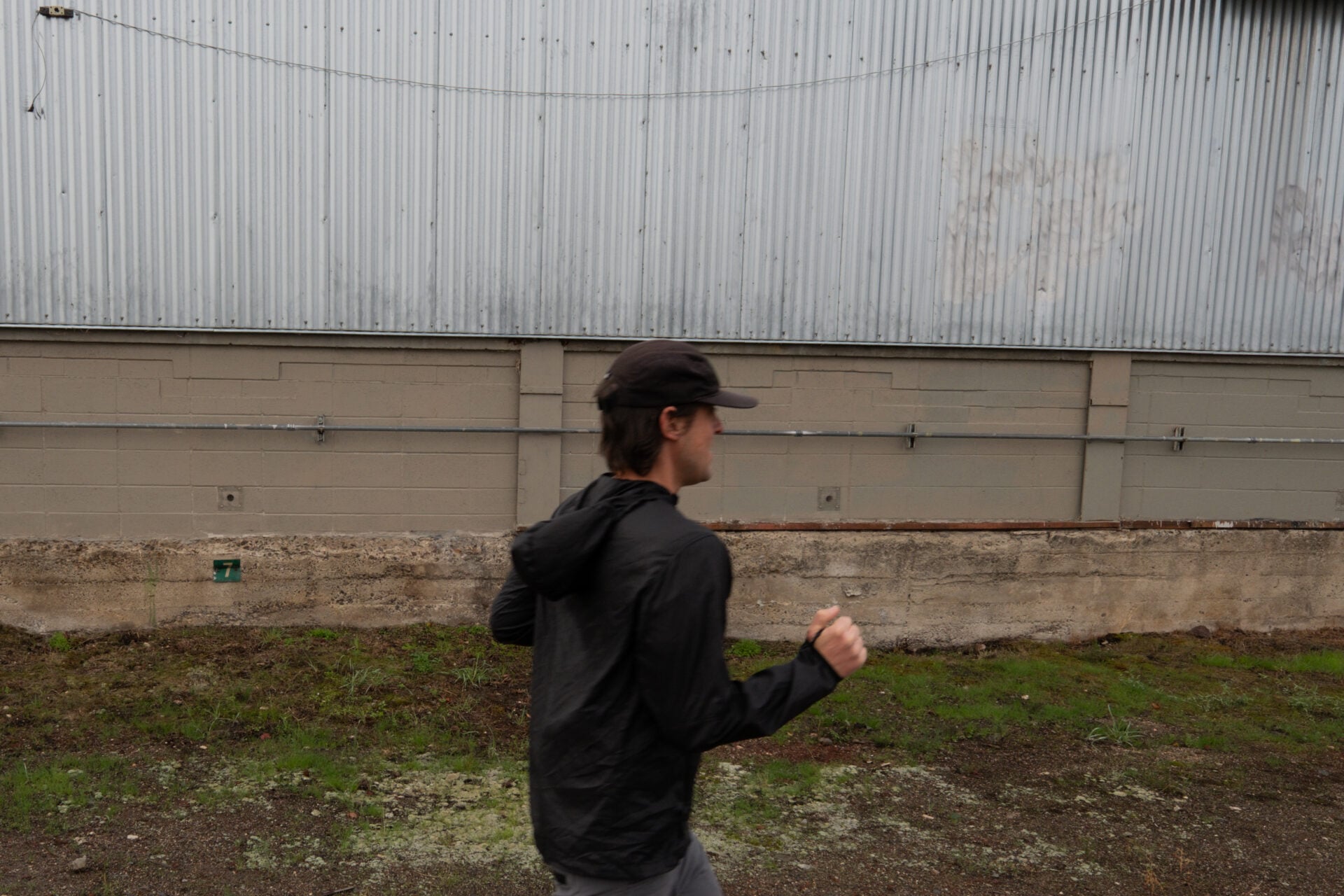
While the weather protection story is pretty clear cut, there is a nuanced part to why I preferred this jacket in how it fit and moved with my body. Articulated sleeves moved with my arms while I ran and climbed while skimo racing. That just-right articulation coupled with elastic sleeves meant that there was no riding up or annoying movement during my repetitive arm swings while running. The draw string at the hem made it not ride up during tempo work and the single hand cinches made tightening or loosening both the hem and hood really easy when I was using a handheld water bottle.
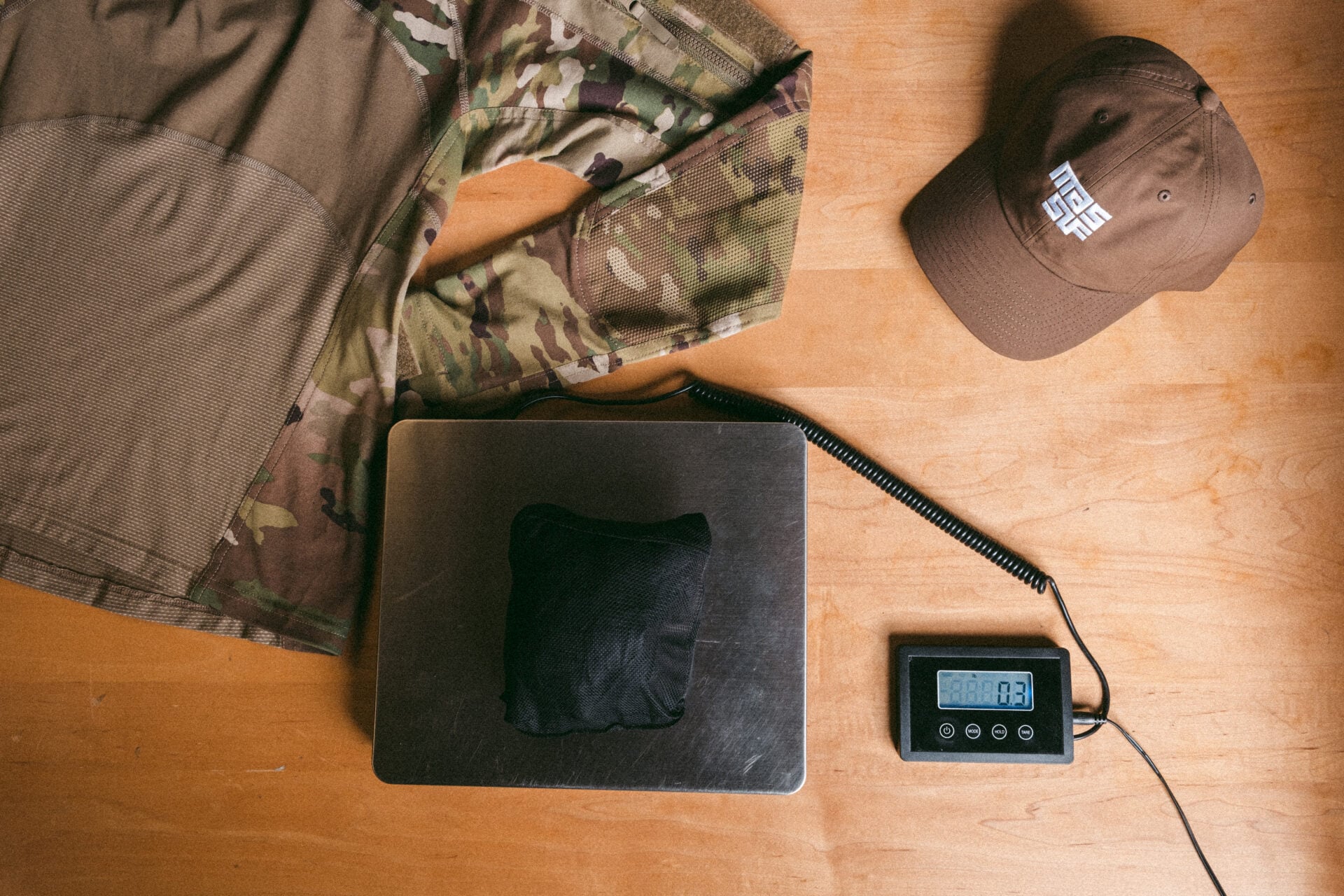
The Clipper also proved to be a killer backcountry ski piece because it was lightweight enough at 5.7-ounces to go into my pack as an emergency layer in case weather came in. That sub 6-ounce penalty was light enough that I didn’t really notice the weight increase but greatly appreciated having it one evening while I was skinning up Mt Ashland in a headlamp and a snowstorm with heavily gusting wind rolled in. I was already wearing an active insulating layer, but the extra layer of wind and snow protection from the Clipper kept me warm enough to finish my laps safely and in relative comfort.
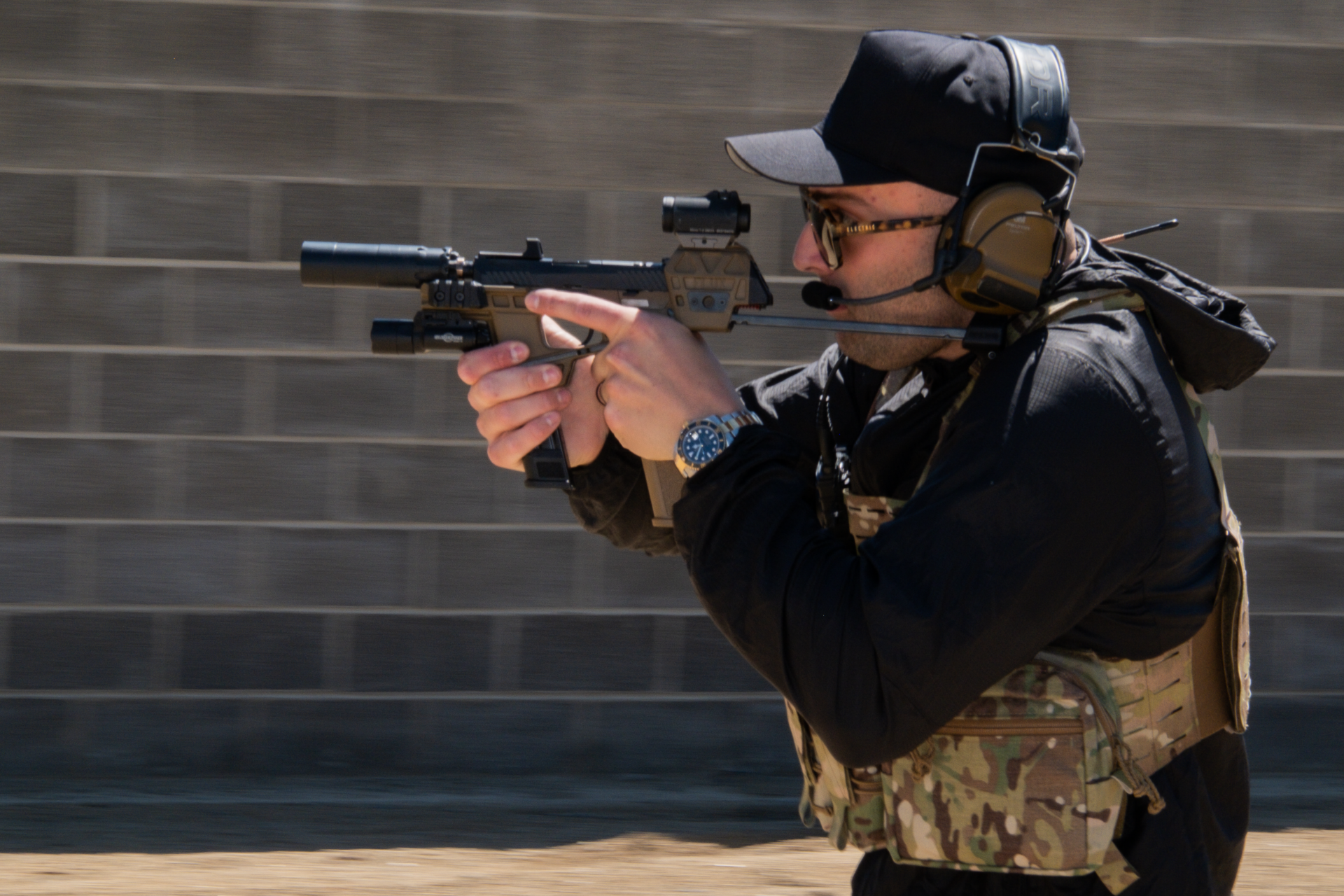
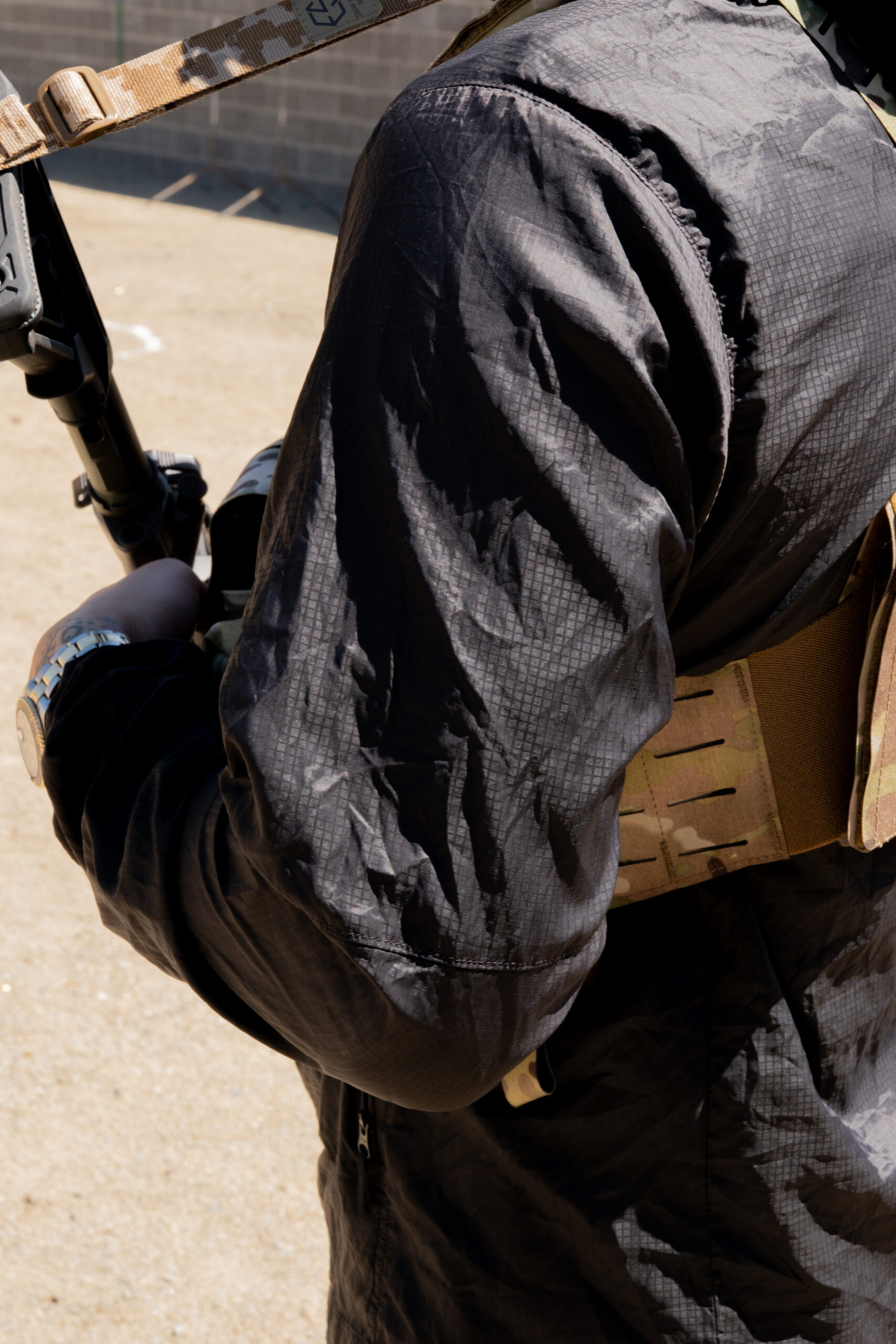
This is an expensive lightweight windshell at $253 (or $175 if you are in the military or qualify for industry pricing). You can absolutely get a shell at half the price that would help mitigate wind and rain exposure and I would encourage you to go that route if that is where your budget stops. If you have the money, though, and are looking for a piece that you can truly trust in extreme situations that is also highly portable, I would certainly make the case that the Clipper is worth the investment. The Clipper is also Berry-compliant which means that every single component, down to individual fibers, are made in the US which is a pre-requisite for military use and adds to the top-tier performance in the field. No corners were cut in the making of this wind-shell. I have used the Clipper enough that it probably breaks down to about two dollars a use. That feels like a hell of a deal considering how well it protected me from the elements and how much more enjoyable it made winter running and backcountry skiing for the past four years.
Written and Tested by Joe Jackson:
“I have worked as a professional outdoor gear tester and reviewer for Outside Magazine for over 13-years as my full time job. Over the course of those years I have run extensive tests on thousands of pieces of gear and hundreds of jackets. These jackets have ranged from pieces that cost over a thousand dollars to ski jackets you could get at Walmart. I have tested jackets in my shower and at the top of mountains where the temperature was below zero and the wind was gusting at over 100-mph. I have helped Massif’s design department build a variety of pieces over the years and one of my favorite pieces of theirs that I have tested out (which I did not help design) is the Clipper.”

